Owning a home means things will break.
A loose cabinet hinge. A leaking faucet. A door that won’t latch. A picture frame that needs mounting.
You don’t need to call a contractor for every small issue.
But you do need the right tools.
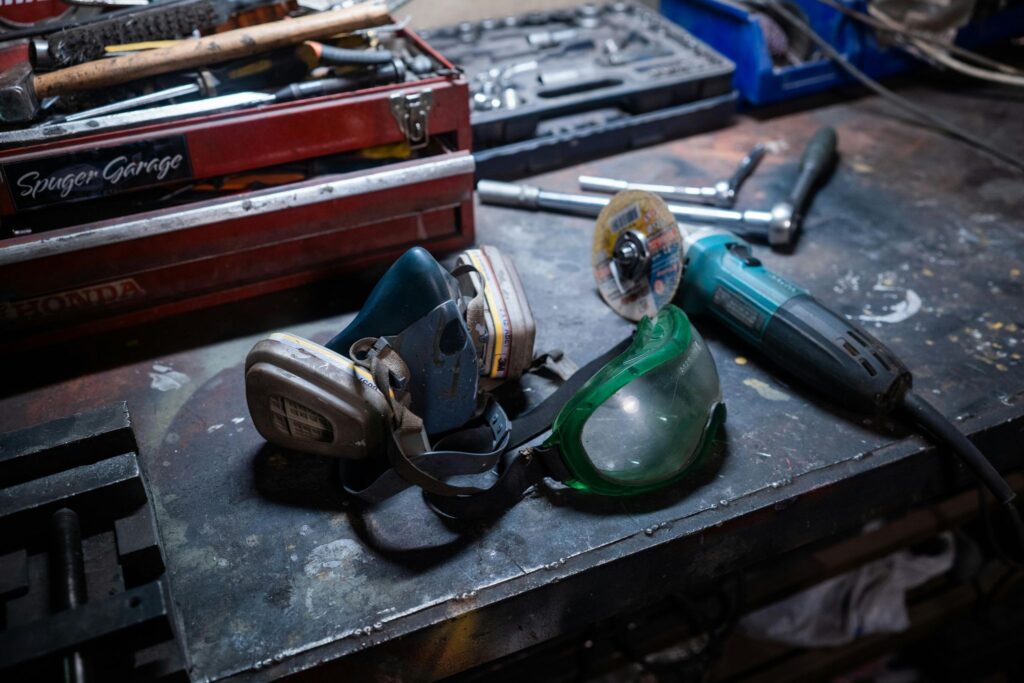
This guide covers the essential tools every homeowner should own, what they’re used for, and what you actually need — without wasting money on equipment you’ll rarely touch.
If you’re new to homeownership or building your first tool kit, this is your starting point.
Why Every Homeowner Needs a Basic Tool Kit
Small problems turn into expensive repairs when ignored.
According to the U.S. Department of Housing and Urban Development, routine maintenance and early repairs significantly reduce long-term housing costs.
Having basic home repair tools allows you to fix issues immediately instead of postponing them.
A beginner tool kit for a house doesn’t need to be massive. It needs to be practical.
If you’re already following our Home Maintenance Checklist Every Homeowner Should Follow, you’ll recognize many of these tools as essentials for handling routine home maintenance tasks.
Essential Hand Tools (Foundation First)
Hand tools are the backbone of any homeowner tool list.
Start here.
1. Claw Hammer
Used for:
- Hanging pictures
- Light demolition
- Removing nails
A standard 16 oz claw hammer is ideal for general home use. Avoid oversized framing hammers — they’re unnecessary for most homeowners.
2. Screwdriver Set (Phillips + Flathead)
Used for:
- Tightening cabinet hardware
- Electrical outlet covers
- Furniture assembly
- Appliance repairs
Buy a small set with multiple sizes. Magnetic tips make life easier.
Many DIY home upgrades under $100 can be completed with nothing more than a screwdriver and a drill — as shown in our article on 10 Easy DIY Home Upgrades Under $100 That Make a Big Difference.
3. Adjustable Wrench
Used for:
- Plumbing fixtures
- Tightening bolts
- Minor appliance connections
An 8-inch adjustable wrench covers most household needs. No need to buy a full wrench set at the beginning.
4. Tape Measure (At Least 16 ft)
Used for:
- Furniture placement
- Planning renovations
- Hanging shelves
- Estimating materials
Accurate measurements prevent costly mistakes — especially during renovation planning.
If you’re preparing for larger projects, this becomes critical, as explained in our Beginner’s Guide to Home Renovation: Where to Start and What to Expect.
5. Level
Used for:
- Hanging frames
- Installing shelves
- Mounting TVs
- Aligning cabinets
A small 9-inch torpedo level works for most indoor jobs.
6. Utility Knife
Used for:
- Opening materials
- Cutting drywall
- Trimming carpet
- Removing caulk
Keep extra blades. Sharp blades are safer than dull ones.
7. Pliers (Standard + Needle Nose)
Used for:
- Gripping small objects
- Tight spaces
- Minor electrical work
- Removing stripped nails
These are inexpensive and extremely versatile.
Essential Power Tools for Homeowners
You don’t need a garage full of equipment.
But one power tool is non-negotiable.
Cordless Drill (12V or 18V)
Used for:
- Drilling holes
- Driving screws
- Mounting hardware
- Assembling furniture
- Installing curtain rods
This is the most important power tool in any basic home repair tools list.
A 12V drill is lighter and fine for beginners. An 18V model offers more power if you plan heavier work.
According to Family Handyman, a cordless drill is the single most used tool in home improvement projects.
Buy a kit that includes:
- 1 battery (2 is better)
- Charger
- Basic drill bit set
Drill Bit Set
Make sure you have:
- Wood bits
- Masonry bits (for concrete or brick walls)
- Basic driver bits
Cheap bit sets wear out quickly. Mid-range quality is worth it.
Stud Finder
Used for:
- Mounting heavy shelves
- Securing TVs
- Installing cabinets safely
Avoid anchoring heavy items into drywall alone. That’s how accidents happen.
The National Association of Home Builders emphasizes proper wall anchoring to avoid structural and safety issues in residential properties.
Safety Tools (Often Ignored, Always Needed)
Most beginner tool kit for house guides skip this part.
That’s a mistake.
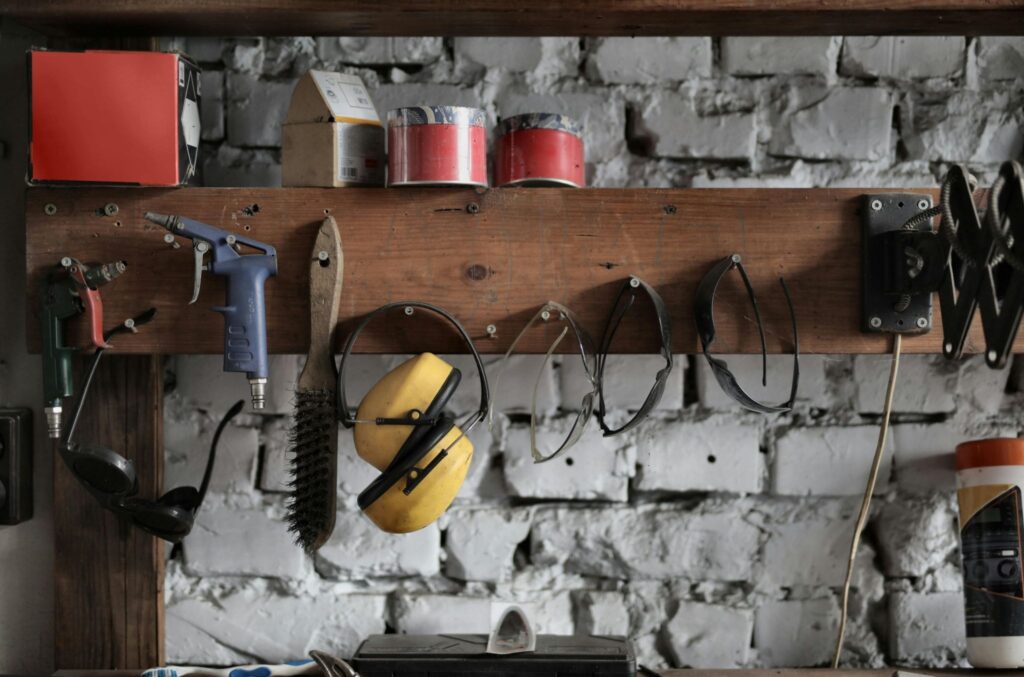
Work Gloves
Protect your hands from:
- Splinters
- Sharp edges
- Chemical exposure
Safety Glasses
Even drilling into drywall creates debris.
Eye injuries are preventable. Wear protection.
The Occupational Safety and Health Administration reports that thousands of eye injuries occur yearly due to preventable hazards — many during basic home tasks.
Stable Step Ladder
Don’t use chairs.
Buy a solid aluminum step ladder rated for your weight.
Flashlight or Headlamp
Used for:
- Electrical panels
- Under-sink inspections
- Attic checks
- Power outages
You will use this more than you think.
How Much Should a Beginner Tool Kit Cost?
You don’t need $2,000 worth of tools.
A realistic starter budget:
- Hand tools: $100–$150
- Drill kit: $100–$150
- Safety basics: $40–$80
Total: $200–$350
That’s enough to handle 80% of small home repairs.
It also sets you up to confidently complete low-cost DIY projects like the ones listed in our budget-friendly DIY upgrade guide.
Tools vs. Calling a Contractor
Know the line.
Your essential tools for homeowners are for:
✔ Cosmetic fixes
✔ Hardware replacements
✔ Minor plumbing repairs
✔ Light installations
✔ Preventive maintenance
They are NOT for:
✘ Major electrical rewiring
✘ Structural wall removal
✘ Gas line work
✘ Full-scale renovations
That’s where planning matters — and where our renovation guide becomes relevant.
Smart homeowners know when to DIY and when to step back.
Final Thoughts: Build Your Toolkit Before You Need It
Homeownership rewards preparation.
When something breaks, you don’t want to run to the store at 9 PM.
Start small. Buy quality. Expand slowly.
Your homeowner tool list doesn’t need to impress anyone — it needs to work.
And once you own these basic home repair tools, you’ll realize how many small problems you can solve yourself.
That’s when confidence builds.
And that’s when real DIY begins.