
Smart home technology is no longer futuristic or expensive. Today, even beginners can upgrade their homes with affordable, easy-to-install devices that improve comfort, security, and energy efficiency.

If you’re just getting started, this guide covers the best smart home upgrades for beginners — simple projects that require minimal technical skills but deliver maximum impact.
Whether you’re improving your space for convenience, security, or resale value, these beginner-friendly upgrades are a smart place to start.
Why Start with Smart Home Upgrades?
Smart home improvements offer:
- Better home security
- Lower energy bills
- Increased property value
- Greater convenience
- Remote access and automation
If you’re new to DIY projects, it’s smart to understand the bigger renovation picture first.
Our Beginner’s Guide to Home Renovation explains how to plan upgrades strategically without overspending.
Now, let’s dive into the best entry-level smart upgrades.
1. Smart Plugs (The Easiest Upgrade)
Smart plugs are the most beginner-friendly smart home device available.
Why Smart Plugs Are Perfect for Beginners
- Plug-and-play setup
- No wiring required
- Affordable (often under $25)
- App-controlled via smartphone
You simply plug them into a standard outlet and connect through WiFi.
From there, you can schedule lamps to turn on and off, control coffee makers remotely, monitor energy usage, and automate holiday lights.
According to the U.S. Department of Energy’s energy-saving guidelines, small automation upgrades like scheduling and power management can reduce unnecessary electricity use.
2. Smart Light Bulbs
Smart lighting instantly modernizes your home without opening a wall or touching wiring.
Benefits of Smart Bulbs
- Remote control from your phone
- Adjustable brightness and color
- Voice activation
- Scheduling features
Installation is as easy as replacing a standard bulb.
Many models are also ENERGY STAR certified, meaning they meet efficiency standards for reduced power consumption and long-term savings.
If you’re looking for more budget-friendly projects, check out our roundup of DIY home upgrades under $100 — smart bulbs easily fit that category.
3. Smart Thermostat (Energy & Savings Upgrade)
A smart thermostat is slightly more advanced but still very beginner-friendly.
According to research highlighted by the Environmental Protection Agency (EPA), programmable and smart thermostats can significantly improve home energy efficiency.
Why It’s Worth It
- Automatic temperature adjustments
- Learning capabilities
- Reduced heating & cooling costs
- Remote control via app
Most systems include detailed installation instructions, and many homes with standard HVAC setups are compatible.
Before installing one, it’s wise to review your seasonal system condition using a structured home maintenance checklist to ensure your HVAC system is running properly.
4. Smart Video Doorbell
Home security is one of the most common reasons beginners start building a smart home.
Key Features
- Live video feed
- Motion detection alerts
- Two-way audio
- Cloud recording options
Battery-powered versions make installation extremely simple, while wired options connect to existing low-voltage doorbell wiring.
Crime prevention studies from the FBI’s Uniform Crime Reporting program show that visible security measures can act as deterrents — and a smart doorbell clearly signals surveillance presence.
5. Smart Security Cameras
If you want to expand your security setup, indoor or outdoor smart cameras are a logical next step.
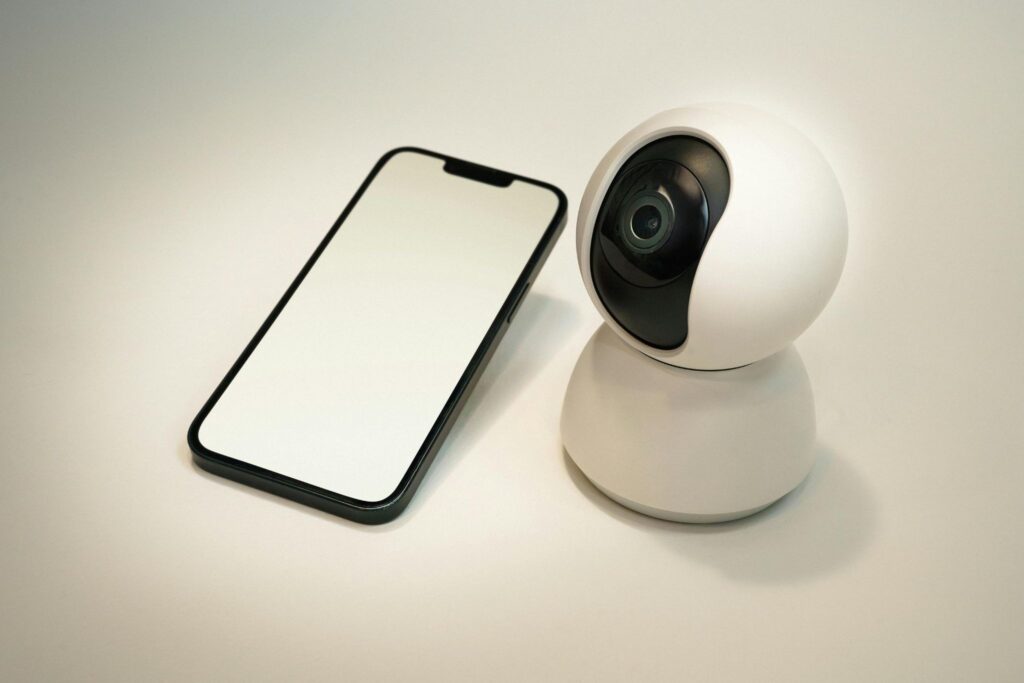
Beginner-Friendly Benefits
- Wireless installation options
- Simple wall mounting
- Motion-triggered alerts
- Night vision
Modern systems are designed for DIY installation and don’t require professional setup.
Before mounting outdoor cameras, confirm that siding, trim, or mounting surfaces are secure — something regularly covered in your home maintenance routine.
6. Smart Locks
Smart locks eliminate the need for spare keys and provide greater access control.
With most models, you can:
- Lock and unlock remotely
- Create temporary guest codes
- Track entry activity
- Integrate with voice assistants
Installation typically involves replacing your existing deadbolt using standard tools — which you’ll already have if you followed our guide on essential homeowner tools.
For beginners, this is a perfect example of a high-impact upgrade that doesn’t require advanced renovation skills.
7. Smart Leak Detectors
Water damage is one of the most common and expensive homeowner issues.
According to the Insurance Information Institute, water damage claims consistently rank among the top home insurance claims in the U.S.
Smart leak detectors are:
- Battery powered
- Placed under sinks, near water heaters, or behind washing machines
- Connected to your phone for instant alerts
This small, inexpensive device can prevent thousands in repair costs.
How to Choose the Right Smart Home Ecosystem
Before buying multiple devices, decide which ecosystem you want to build around:
- Amazon Alexa
- Google Home
- Apple HomeKit
Sticking to one ecosystem improves compatibility and makes automation easier.
Beginners should start with one or two devices and expand gradually rather than buying everything at once.
Common Beginner Mistakes to Avoid
1. Buying Too Many Devices at Once
Start simple and scale intentionally.
2. Ignoring WiFi Strength
Smart homes rely on stable internet. Weak signals cause frustration and device drop-offs.
3. Skipping Security Settings
The Cybersecurity and Infrastructure Security Agency (CISA) recommends enabling two-factor authentication, using strong passwords, and keeping firmware updated to reduce security risks.
Are Smart Home Upgrades Worth It?
For beginners, smart home upgrades offer one of the best return-on-investment DIY improvements available today.
They are:
- Affordable
- Easy to install
- Scalable
- Attractive to future buyers
- Practical for everyday life
If you’re just beginning your DIY journey, start small with plugs or bulbs, then gradually expand into thermostats, locks, and security systems.
And if you’re mapping out long-term home improvements, revisit your renovation plan to align smart upgrades with bigger structural or aesthetic changes.

Pingback: Smart Light Switch vs Smart Bulb: Which One Should You Install? - DIY Upgrade Hub